So you’re thinking about buying a hot tub.
Maybe you’ve been dreaming about soaking under the stars after a long week, or you’re looking for a way to bring the family together without staring at screens. No matter your reason, you’ve come to the right place. This guide is designed specifically for Los Angeles residents who are just starting their hot tub journey and want to make a confident, well-informed purchase.
Shopping for a hot tub can feel overwhelming at first. There are dozens of brands, hundreds of models, and no shortage of opinions online. But here’s the good news: with the right information, the process becomes a lot more manageable and even exciting.
Let’s break it all down.
Why Buy a Hot Tub in Los Angeles?
Living in Southern California already feels like a lifestyle upgrade for most people, but adding a hot tub to your home takes it to another level. Los Angeles offers some of the most ideal conditions in the country for hot tub ownership. With an average of 284 sunny days per year and mild winters, you can genuinely use your hot tub every single month without battling brutal cold or snow. That’s a level of value that homeowners in colder climates simply don’t get to enjoy.
There’s also something uniquely Angeleno about the outdoor living culture here. LA residents love their backyard spaces, their patios, and their pools. A hot tub fits right into that lifestyle, adding a layer of relaxation and luxury that complements the already enviable SoCal way of life.
Whether you live in the hills of Silver Lake, the flatlands of the Valley, or a coastal community near Malibu, a hot tub transforms your outdoor space into a personal retreat.
The Real Benefits of Hot Tub Ownership
People buy hot tubs for a wide range of reasons, and the benefits go far beyond simple relaxation.
Here’s a look at what regular hot tub use can do for you:
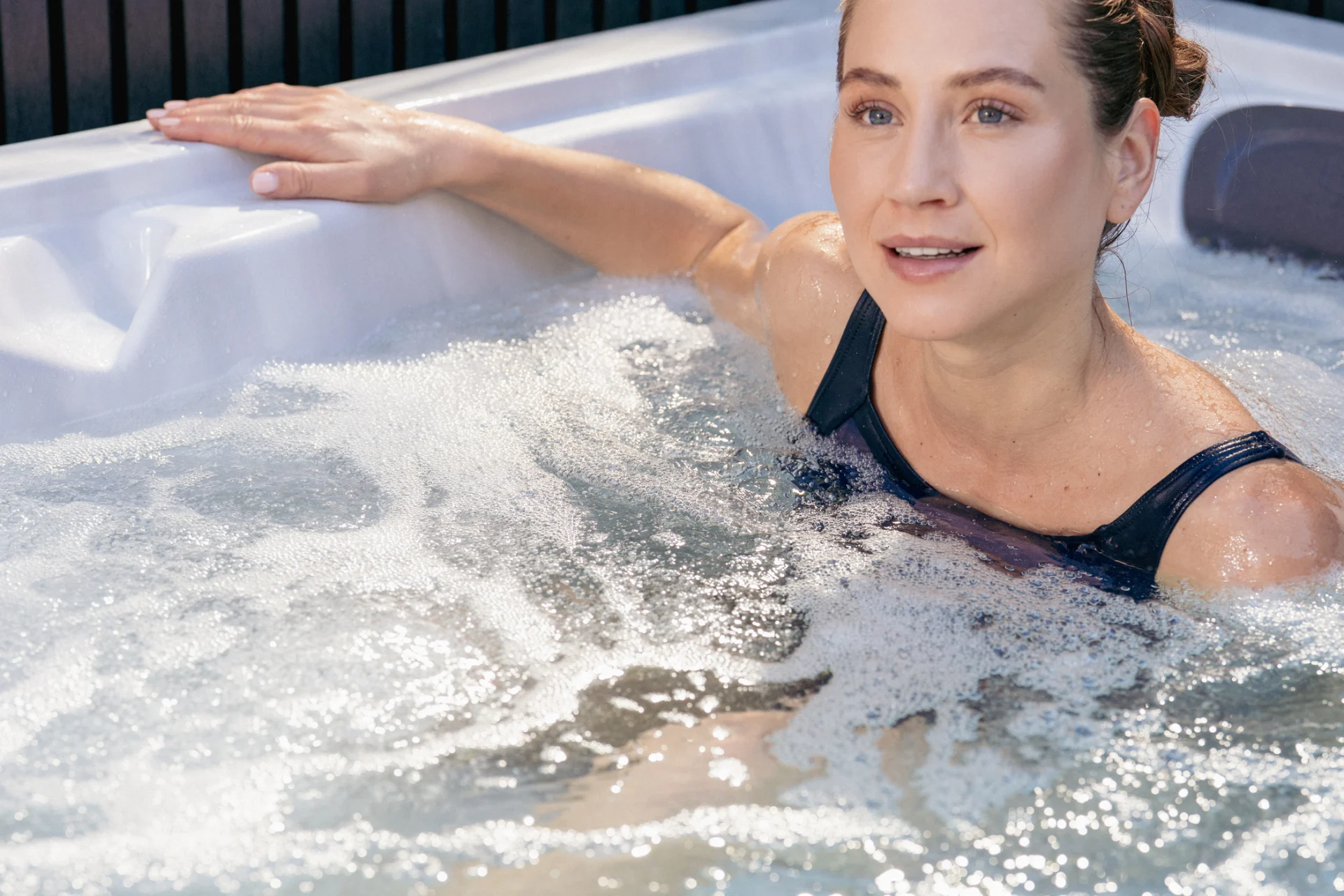
- Stress and Anxiety Relief: Warm water hydrotherapy is one of the most effective natural stress relievers available. The combination of heat, buoyancy, and massage jets helps the body release tension and signals the nervous system to downshift into a calmer state.
- Muscle Recovery and Pain Relief: Athletes, fitness enthusiasts, and anyone dealing with chronic pain or arthritis often swear by hot tub soaks. The heat improves circulation, reduces inflammation, and helps sore muscles recover faster after workouts.
- Better Sleep: A 15 to 20 minute soak in warm water about 90 minutes before bed can significantly improve sleep quality. The drop in core body temperature after exiting the hot tub acts as a natural signal to your body that it’s time to rest.
- Social Connection: Hot tubs naturally bring people together. From family game nights to entertaining friends on a Friday evening, the hot tub becomes the centerpiece of meaningful connection. In LA’s social culture, that kind of gathering space is priceless.
- Increased Home Value: A well-installed hot tub, especially when paired with thoughtful landscaping or a beautiful deck, can enhance the appeal and value of your property. In the competitive LA real estate market, that’s a meaningful bonus.
Hot Tub Installation Ideas for Los Angeles Homes
One of the most exciting parts of buying a hot tub is figuring out where and how to place it. Los Angeles homes come in all shapes and sizes, from sprawling estates in the hills to compact bungalows and condo-adjacent townhouses. The good news is that there’s a hot tub setup that works for almost any space. Here are some popular installation ideas to spark your imagination:
Backyard Oasis
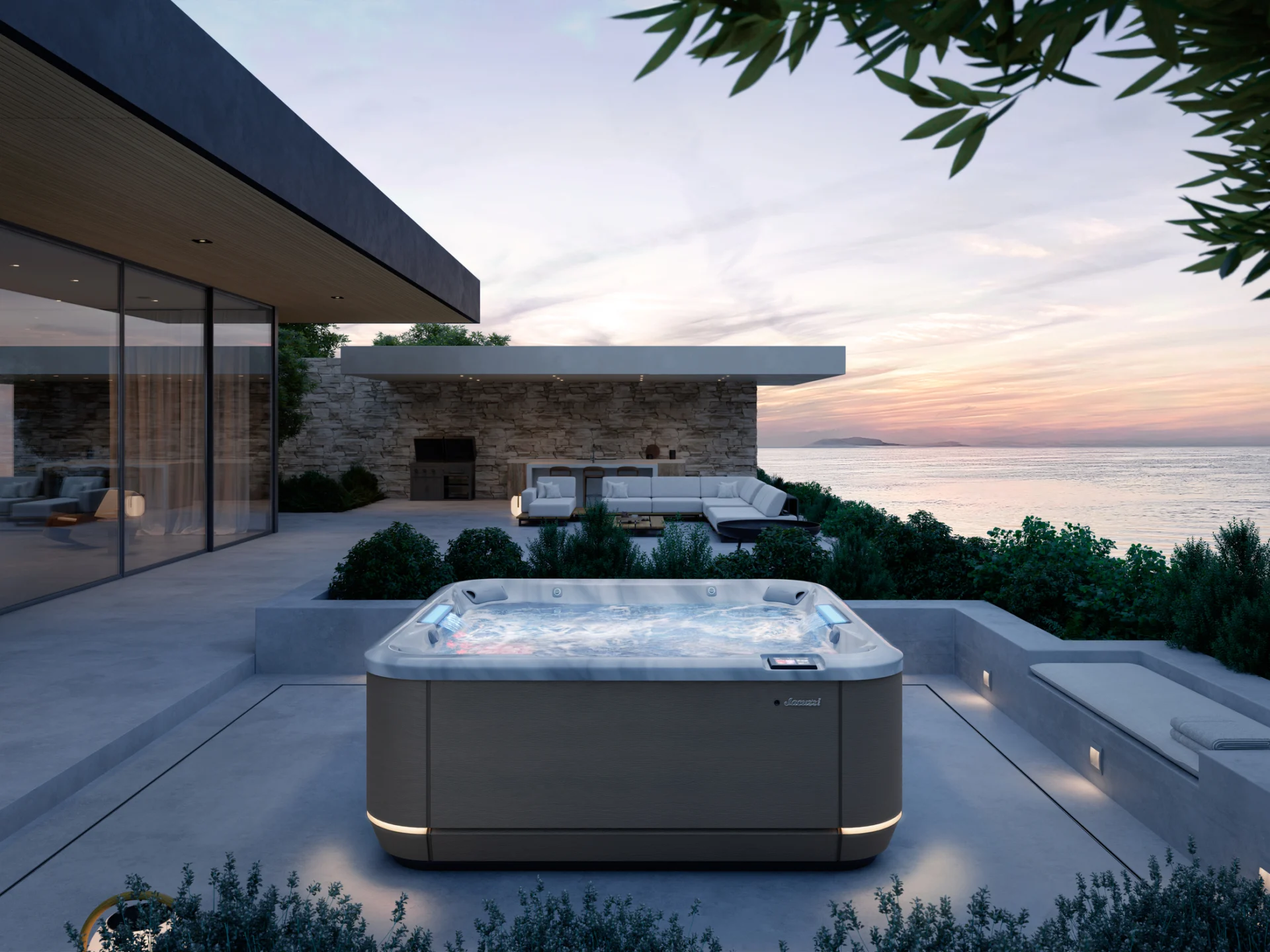
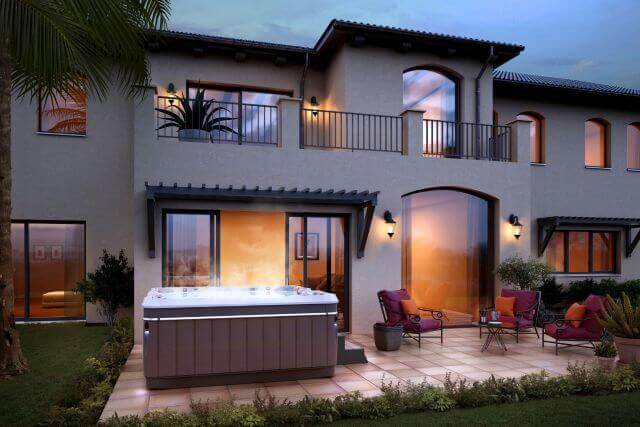
The most classic placement is a backyard installation, often paired with a deck, patio, or pergola. In LA, where outdoor entertaining is a way of life, this setup creates a seamless indoor-outdoor flow. Surround the tub with native drought-tolerant plants, add some string lights and a fire feature, and you’ve got a backyard resort that rivals anything you’d find at a hotel in Palm Springs.
Poolside Complement
Many LA homes already have swimming pools, and a hot tub makes a natural companion. Positioned adjacent to or partially elevated above the pool, a hot tub creates an elegant spa-like aesthetic. Some homeowners choose a built-in spillover design where the hot tub water cascades into the pool, adding both visual appeal and functionality.
Rooftop or Balcony Setup
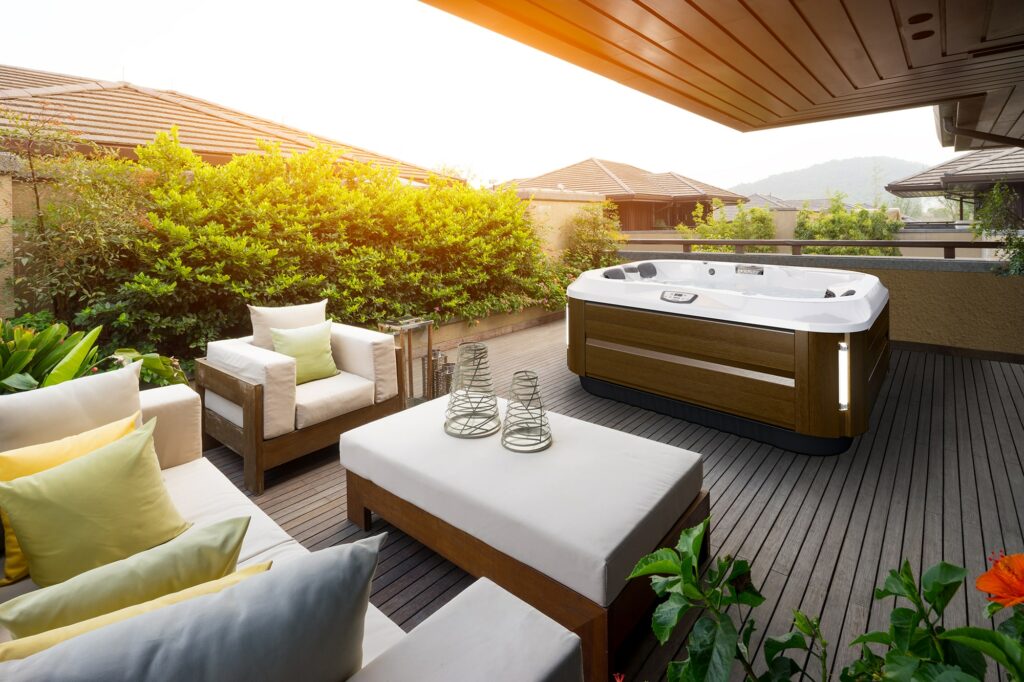
For those in more urban areas of LA, like Downtown, Koreatown, or Mid-City, rooftop and balcony hot tubs are a growing trend. Inflatable or lightweight portable models make this more accessible than ever. Just be sure to consult with a structural engineer before proceeding, as rooftop loads require professional evaluation.
Indoor Spa Room
An enclosed sunroom, converted garage, or purpose-built spa room is another option for buyers who want year-round use with maximum privacy. While this is a more involved renovation project, the result is a dedicated wellness space that feels genuinely luxurious.
Installation Considerations to Keep in Mind
Before finalizing your placement, make sure to address the following:
- Electrical requirements: Most hot tubs require a dedicated 240V GFCI-protected circuit installed by a licensed electrician.
- Surface and load-bearing capacity: Hot tubs filled with water are extremely heavy. Make sure your deck, patio, or surface is rated for the load.
- Access for delivery and service: The spa needs to be moved in during installation and accessed for maintenance. Plan a clear path from the street to your placement site.
- Local permits: Some LA municipalities require permits for permanent hot tub installations. A reputable dealer can guide you through what’s required in your specific city or neighborhood.
Types of Hot Tubs: What Are Your Options?
Not all hot tubs are created equal. Understanding the different types will help you figure out which category is the right fit for your lifestyle, space, and budget.
- Acrylic Shell Hot Tubs: These are the most popular and widely recognized type. Built with a hard acrylic shell and a cabinet exterior, they offer powerful jets, strong insulation, and long-term durability. They come in a wide range of sizes and seat configurations.
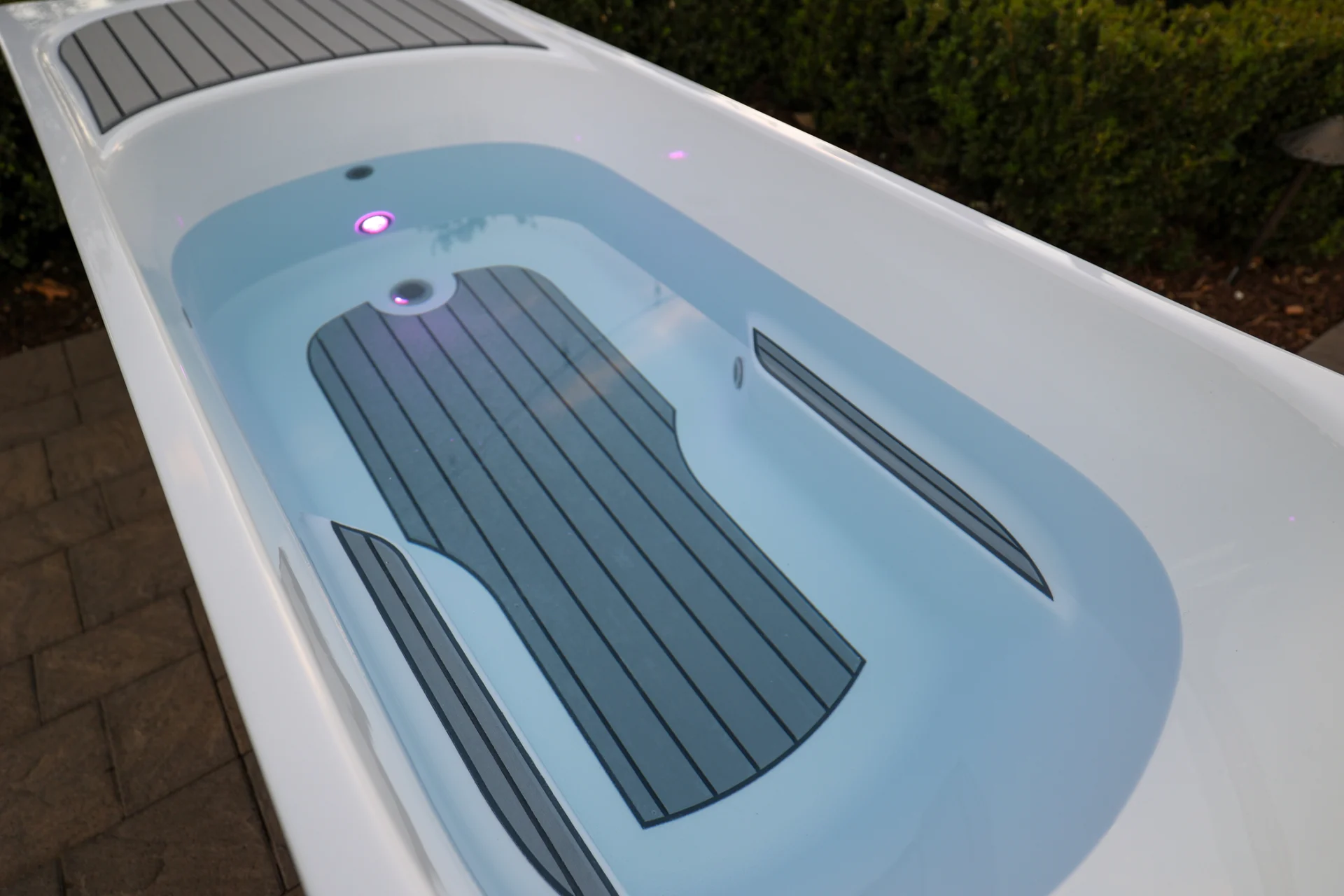
- Swim Spas: A hybrid between a hot tub and a small pool, swim spas feature a powerful current for swimming in place as well as a dedicated soaking zone. They’re an excellent option for fitness-focused buyers or those who want pool-like functionality without the square footage.
- Inflatable Hot Tubs: A budget-friendly and portable option, inflatable hot tubs are great for renters or anyone who isn’t ready to commit to a permanent installation. They don’t offer the same jet power or insulation as acrylic tubs, but they’re a solid entry point.
- Plug-and-Play Hot Tubs: These 110V models require no special wiring and simply plug into a standard outlet. They’re convenient and accessible, though they tend to be smaller and less powerful than their 240V counterparts.
What to Look For in a Quality Hot Tub
Once you’ve narrowed down the type of hot tub you want, the next step is evaluating quality.
Here’s what separates a truly excellent hot tub from one that will give you headaches down the road:
Jet Performance and Placement
More jets does not automatically mean better. What matters is the quality of the jets, the pump power behind them, and how strategically they’re positioned to target key muscle groups. Look for models that offer targeted therapy zones, directional jets, and adjustable pressure settings. Full-body coverage matters, so pay attention to shoulder, neck, lower back, and foot jets.
Insulation and Energy Efficiency
Even in sunny LA, energy efficiency is a major consideration for long-term ownership costs. Look for hot tubs with full-foam insulation that wraps around the shell and lines the cabinet. Quality covers with a high R-value (insulation rating) are equally important, since most heat loss happens through the top. Brands that invest in energy-efficient pump and heater systems will cost less to operate month over month.
Shell and Cabinet Quality
The acrylic shell should feel solid, not flexible, and have a consistent finish without blemishes or thin spots. Reputable manufacturers use multi-layer shell construction with a fiberglass backing for strength. The exterior cabinet should resist UV fading, moisture, and pest damage. Synthetic wood composites and high-density polyethylene (HDPE) are popular low-maintenance options well-suited for Southern California’s outdoor environment.
Filtration and Water Care Systems
Clean water is non-negotiable. A quality hot tub should include a robust filtration system that cycles and cleans the water effectively between uses. Many top brands now offer ozone generators or UV-C water purification systems that dramatically reduce the need for chlorine, making maintenance simpler and gentler on skin and eyes. Look for models with easy-access filter cartridges and intuitive water care instructions.
Controls and Technology Features
Modern hot tubs come loaded with smart features that make ownership more enjoyable.
When evaluating models, look for:
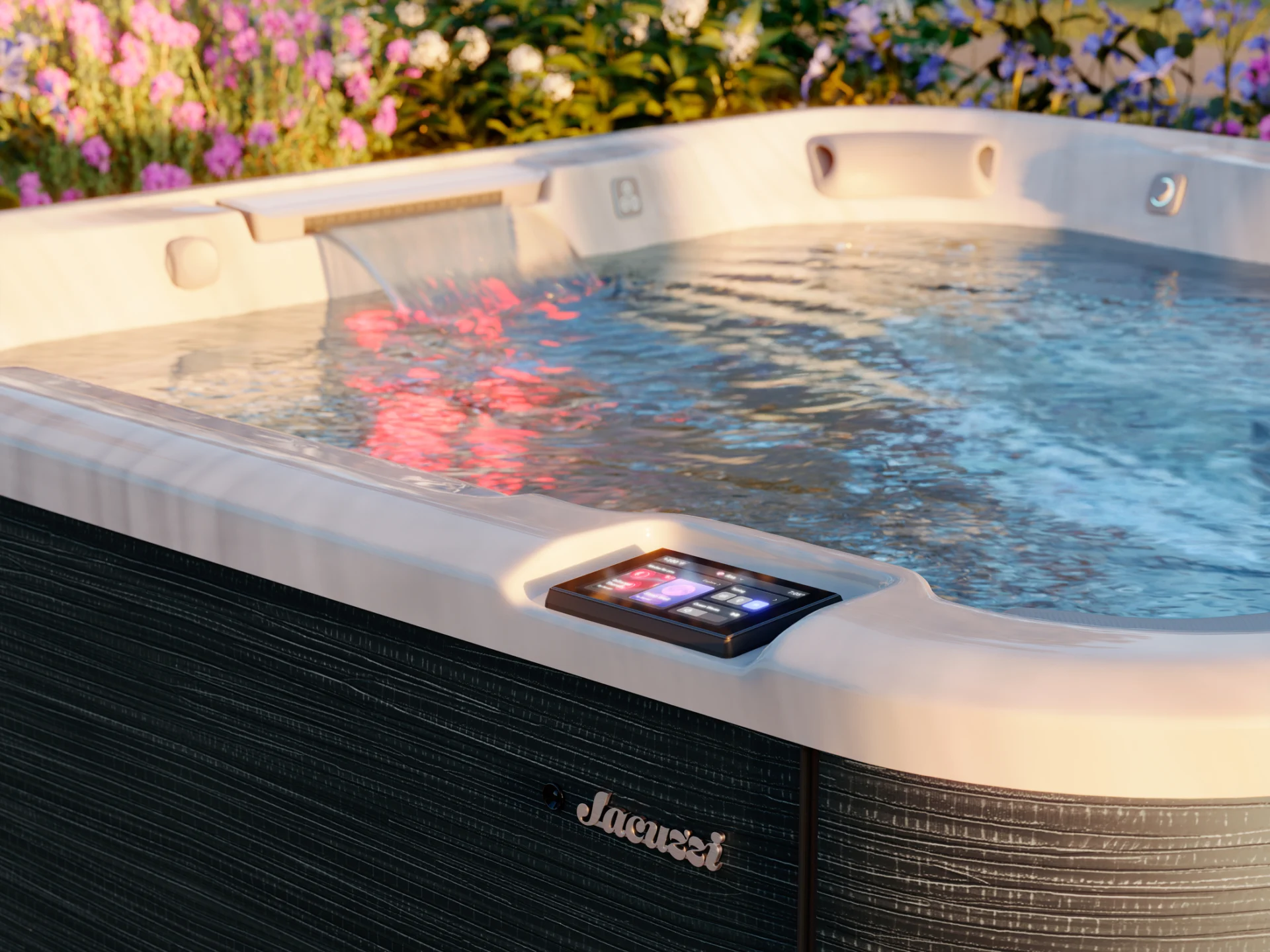
- Intuitive topside control panels with easy-to-read displays
- Wi-Fi or Bluetooth connectivity for smartphone app control
- LED lighting with color options for ambiance
- Built-in speakers and audio systems for entertainment
- Programmable filtration and heating schedules to reduce energy use
Top Hot Tub Brands Worth Knowing About
The hot tub market has a wide range of brands, from industry veterans with decades of proven track records to newer players offering innovative features.
Here are a few names consistently recognized for quality and reliability:
- Jacuzzi® Hot Tubs: Perhaps the most recognized name in the industry, Jacuzzi has been synonymous with hydrotherapy since it invented the whirlpool bath. Their hot tubs are known for high-quality jets, innovative water care systems, and premium build quality.
- Hot Spring Spas: A top choice for energy efficiency, Hot Spring is known for its exceptional insulation technology and low operating costs. Their ACE Salt Water System is a standout feature for buyers who want chemical-free water care.
- Caldera Spas: Another leader in energy-efficient design, Caldera is known for therapeutic jet configurations and personalized hydrotherapy experiences. Their FiberCor insulation system is particularly effective.
Keep in mind that brand recognition alone shouldn’t drive your decision. The quality of your local dealer and the after-sale support you receive matters just as much as the brand on the cabinet.
What to Look For in a Hot Tub Dealer in Los Angeles
Choosing the right dealer is arguably just as important as choosing the right hot tub. A quality hot tub sold by a bad dealer can become a nightmare, while a good dealer makes the entire experience smooth and enjoyable from purchase to installation to ongoing support.
Here’s what to look for:
- Local Experience and Reputation: Look for a dealer who has been serving the Los Angeles market for a meaningful period of time and has a track record of satisfied customers. Read Google and Yelp reviews carefully, and look for patterns in feedback, both positive and negative.
- Showroom Access: A dealer with a physical showroom gives you the ability to actually sit in the spas and feel the jets before committing. Don’t buy a hot tub you haven’t sat in. What looks great in a photo may not suit your body type or comfort preferences at all.
- Clear and Comprehensive Warranties: A reputable dealer will offer clear warranty terms covering the shell, components, and surface. Ask specifically about what is and isn’t covered, and find out whether warranty work is handled in-house or outsourced to third-party technicians.
- Ongoing Service and Parts: Your hot tub will need regular service and occasional repairs over its lifetime. A dealer who stocks parts locally and has trained service technicians on staff will get you back up and running much faster than one who has to order everything from a warehouse across the country.
- Transparent Pricing: Be cautious of dealers who won’t give you a clear all-in price that includes delivery, electrical preparation guidance, and setup. The sticker price of a hot tub is rarely the final number, and a trustworthy dealer will walk you through every cost upfront.
- Education and Guidance: The best dealers act as consultants, not salespeople. They should ask questions about your lifestyle, goals, and space before recommending a model, not just push whatever has the highest margin. If a dealer can’t explain the difference between two comparable models in plain English, that’s a red flag.
Setting a Realistic Budget
Hot tub prices vary widely based on size, features, and brand. Here’s a general breakdown to help you set expectations.
Basic ($1,000 to $5,000): With a hot tub, you will always get what you pay for. With a basic hot tub you may be enticed by an unbelievably low price tag, but unfortunately suffer with ongoing service issues, short lifespan and less-than-enjoyable experience.
Entry-Level ($5,000 to $10,000): Smaller plug-and-play models or basic two-to-four person acrylic tubs. Limited jets and features, but a solid introduction to hot tub ownership.
Mid-Range ($10,000 to $15,000): The sweet spot for most buyers. Expect full-size four-to-six person tubs with quality jets, good insulation, and modern features like LED lighting and water care systems.
Premium ($15,000 and up): High-end models from top brands with advanced hydrotherapy systems, premium materials, smart home integration, and superior energy efficiency.
Beyond the purchase price, budget for installation costs (electrical work, concrete pad if needed, delivery), an ongoing monthly electricity increase of roughly $30 to $75 depending on your model and usage, and annual water care supplies.
A good dealer will help you build a realistic total cost of ownership picture.
Questions to Ask Before You Buy
Walking into a hot tub showroom armed with the right questions puts you in a much stronger position. Here are some key questions to ask any dealer or brand representative!
1. What is the total all-in cost including delivery, setup, and any accessories?
2. What are the warranty terms for the shell, components, and surface?
3. How energy-efficient is this model, and what should I expect on my monthly electricity bill?
4. What kind of water care system does it use, and how much maintenance is involved?
5. Can I do a wet test before purchasing?
6. Who handles service and repairs, and how quickly can you typically respond?
7. Are there any current promotions, financing options, or seasonal deals available?
8. What permits or HOA considerations should I be aware of for my specific area of LA?
Ready to Take the Plunge? Lifestyle Outdoor Is Here to Help.
Buying a hot tub is a significant investment, and it’s one that pays dividends in health, happiness, and quality of life for years to come. Southern California is one of the best places in the world to own one, and when you work with a knowledgeable, local dealer who truly understands your needs, the process from first conversation to first soak is a genuinely enjoyable experience.
At Lifestyle Outdoor, we’ve been helping Los Angeles homeowners create beautiful outdoor living spaces for years. Whether you’re looking for a compact two-person retreat or a large luxury model for entertaining, our team is here to guide you every step of the way. Visit our showroom to sit in our models, ask all your questions, and leave feeling confident about your next steps.
Contact your nearest showroom for more information or for help getting started. Your perfect backyard escape is closer than you think.